

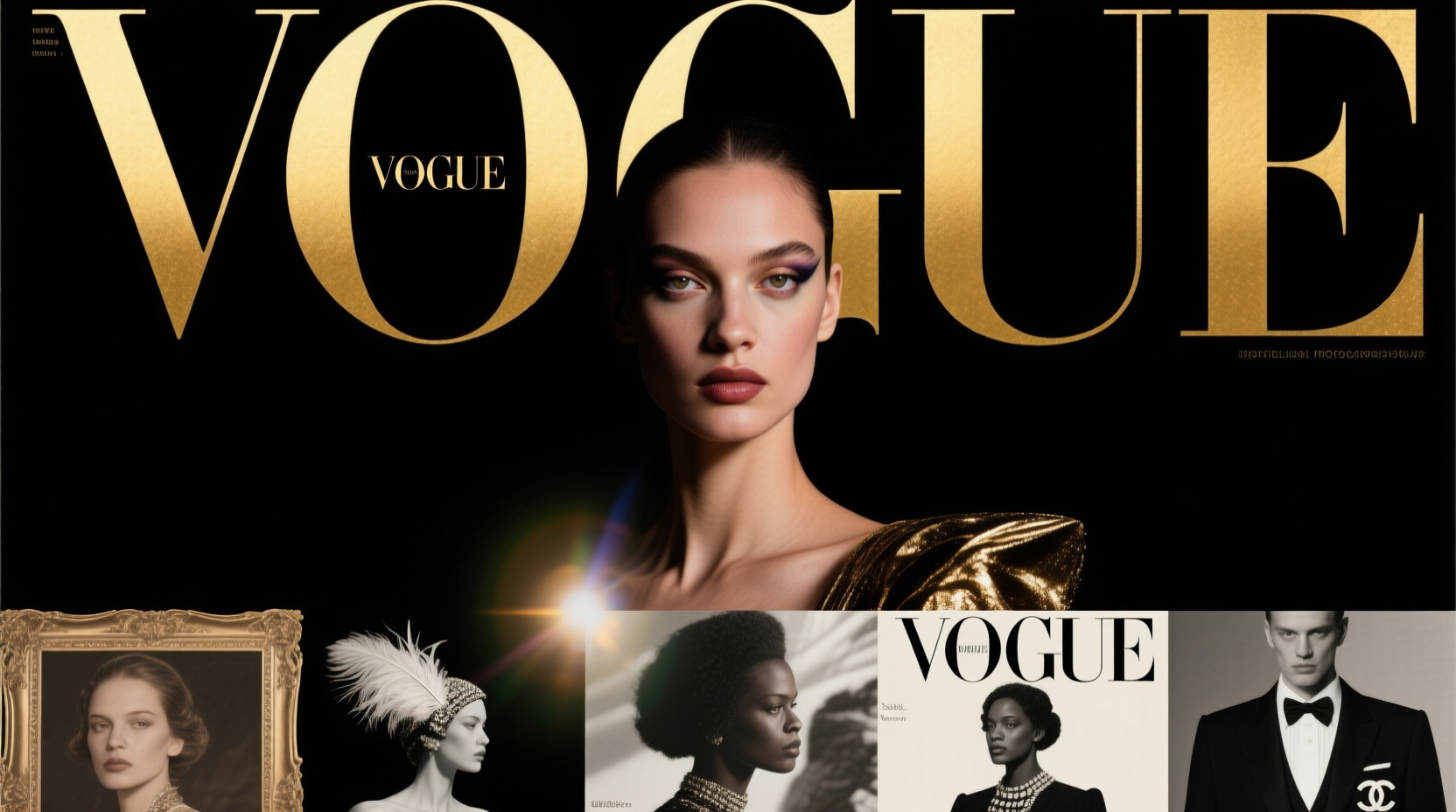
When people think of fashion magazines, one name immediately comes to mind: Vogue. For over a century, Vogue has been more than just a publication—it has become a cultural icon, a trendsetter, and a platform where fashion, art, and society intersect. Its influence reaches far beyond glossy pages, shaping global perceptions of beauty, style, and culture.
The Origins of Vogue
Vogue was first published in 1892 as a weekly society journal in the United States. Initially, it focused on New York’s elite, covering topics such as social events, etiquette, and high society gatherings. In 1909, publisher Condé Nast acquired the magazine, transforming it into a leading authority on fashion. Under Nast’s guidance, Vogue expanded internationally, and by the mid-20th century, it was the most recognized name in global fashion media.
Vogue’s Role in Fashion History
What makes Vogue unique is its ability to reflect and shape cultural trends. Through its editorials, photography, and features, it doesn’t just report on fashion—it defines it. From the elegant silhouettes of the 1920s flapper dresses to the bold, experimental designs of the 1980s, Vogue has chronicled every major fashion movement.
The magazine has also introduced the world to legendary photographers such as Richard Avedon, Irving Penn, and Annie Leibovitz, whose images helped establish fashion photography as a respected art form. In addition, Vogue has served as a launchpad for designers and models, giving them exposure that often leads to international recognition.
Anna Wintour and the Modern Era of Vogue
In 1988, Anna Wintour became editor-in-chief of American Vogue, ushering in a new era for the magazine. Known for her sharp eye and distinctive bob haircut, Wintour transformed Vogue into a blend of high fashion and mainstream appeal. She pushed for more diverse covers, introduced younger models, and emphasized the connection between fashion and celebrity culture.
Her leadership also gave rise to the September issue, the most important edition of the year. Often hundreds of pages long, the September issue sets the tone for upcoming trends and is considered the fashion industry’s “Bible.”
Vogue as a Global Brand
Vogue is no longer just a magazine—it is a global institution. Today, there are over 25 international editions, including British Vogue, Vogue Paris, Vogue India, Vogue Italia, and Vogue Japan. Each edition captures the cultural spirit of its region while maintaining the brand’s signature style. For example, Vogue Italia is known for its artistic, avant-garde approach, while British Vogue often highlights diversity and inclusivity.
The rise of digital media has also reshaped Vogue’s influence. With its website, social media presence, and video content, Vogue has expanded its reach to younger, tech-savvy audiences. Platforms like Vogue Runway provide instant coverage of fashion weeks around the world, making high fashion accessible to anyone with an internet connection.
Beyond Fashion: Culture, Art, and Society
Although Vogue is primarily associated with fashion, its influence extends into culture, art, and social issues. Over the years, it has addressed topics such as gender equality, sustainability, and representation in fashion. By featuring diverse models, designers, and cultural icons, Vogue has played a role in broadening definitions of beauty and identity.
Vogue has also been instrumental in blending the lines between celebrity and fashion. Iconic covers featuring stars like Rihanna, Beyoncé, and Lady Gaga have shown how popular culture and style are inseparable in today’s world. In many ways, Vogue has become a mirror of modern society, reflecting changing values and aesthetics.
The Impact of Vogue on Trends
What appears in Vogue often becomes a global trend. Whether it’s a designer handbag, a new beauty standard, or a fresh approach to streetwear, Vogue’s stamp of approval can make or break a style. This influence comes not just from the magazine’s authority but also from its ability to predict what consumers want before they even realize it.
Fashion houses, brands, and even up-and-coming designers look to Vogue for validation and visibility. Being featured in the magazine can transform a label from obscurity to international fame. Similarly, models who appear on its covers often become household names overnight.
Criticism and Challenges
Despite its prestige, Vogue has faced criticism over the years. Some argue that it has promoted unrealistic beauty standards or prioritized exclusivity over inclusivity. Others note that in the digital age, younger audiences turn to influencers and social media for fashion inspiration rather than traditional magazines.
However, Vogue has adapted by embracing digital storytelling and placing greater emphasis on inclusivity and sustainability. Its recent covers feature models of different ethnicities, sizes, and backgrounds, reflecting a shift toward a more representative vision of fashion.
Conclusion
Vogue is more than just a fashion magazine—it is a cultural institution that has shaped how the world sees style, beauty, and creativity for over a century. From its early beginnings in New York society to its modern role as a global media powerhouse, Vogue continues to set the standard for fashion journalism and cultural commentary.
While the industry evolves and new voices emerge, Vogue’s legacy remains unmatched. It has not only chronicled the history of fashion but also influenced it at every step. Whether in print, online, or through social media, Vogue continues to hold its place at the heart of global fashion, proving that true style is timeless.