

Mechanical engineering has always been a practical discipline. Machines do not operate in theory. They operate in workshops, plants, and production environments where conditions change daily. That reality is why, in 2026, apprenticeships continue to outperform degree-only pathways for many people entering the field.
For years, students were told that university was the safest route into engineering. While degrees still play an important role, employers across New Zealand and other Tier 1 markets are now far more focused on capability than credentials alone. They need people who can work safely, diagnose faults, and contribute from day one.
That shift has placed apprenticeships back at the centre of serious career planning.
Mechanical Engineering Is Learned by Doing
Mechanical systems rarely behave exactly as diagrams suggest. Wear, vibration, environmental conditions, and human use all influence how equipment performs. These are factors that cannot be fully understood in lecture halls.
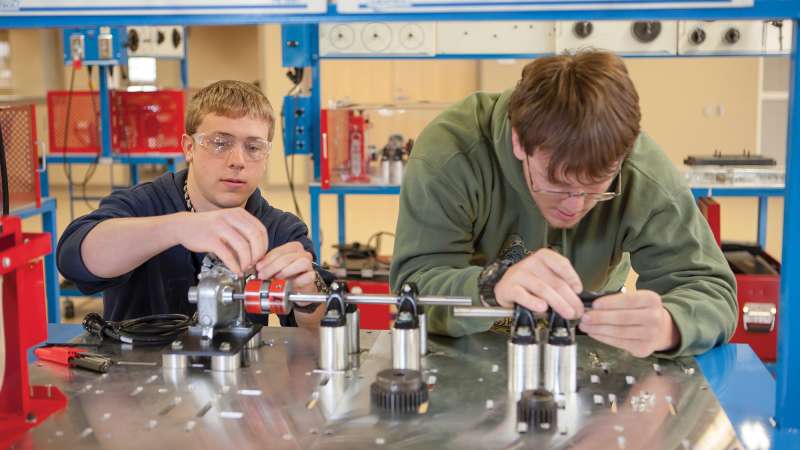
Apprenticeships place learning inside real environments. Trainees work alongside experienced technicians, observe how systems fail in practice, and develop judgment through repetition. Each task builds on the last, creating a depth of understanding that grows naturally over time.
This is not about rushing learning. It is about sequencing it correctly. Practical exposure comes first, supported by theory that explains what apprentices are already seeing and touching.
Why Employers Trust Apprenticeship Training
Employers hiring for mechanical roles are not looking for perfect academic records. They are looking for people who understand responsibility, safety, and workflow.
Well-structured programs such as ATNZ mechanical engineering training focus on producing technicians who are comfortable in real settings. By the time an apprentice qualifies, they have already spent years adapting to tools, processes, and workplace expectations.
This leads to stronger outcomes, including:
- Faster onboarding into permanent roles
- Lower risk of costly mistakes
- Better communication on site
- Higher retention rates
These are practical advantages that directly affect productivity.
You can see how this approach is applied through structured mechanical engineering apprenticeship pathways that align workplace experience with nationally recognised training.
Financial Reality Has Changed Career Decisions
In 2026, education decisions are inseparable from financial considerations. Degrees often require significant upfront costs and delayed income. Apprenticeships offer a different model.
Earning while learning allows individuals to build independence while developing skills. It also reduces long-term debt exposure and creates earlier employment stability. For many, this makes the pathway more sustainable, especially in a trade where experience carries long-term value.
Career Growth Does Not Stop at Qualification
One common misunderstanding is that apprenticeships limit progression. In practice, many senior mechanical professionals began their careers on the tools.
Apprentices who build strong foundations often move into:
- Specialist technical roles
- Team leadership positions
- Maintenance planning and supervision
- Further education later in their careers
The difference is perspective. Additional study, when chosen later, is informed by real-world understanding rather than assumptions.
Industry Demand Supports Practical Pathways
Official workforce planning in New Zealand continues to highlight engineering trades as essential to economic resilience. Infrastructure, manufacturing, energy, and transport all rely on skilled mechanical professionals who can adapt quickly.
Government labour insights consistently show demand for applied skills, reinforcing the long-term relevance of apprenticeships for mechanical careers.
Degrees Still Matter, but Context Matters More
University education remains important for design-focused, analytical, or research-based engineering roles. However, those paths represent only part of the industry.
For hands-on mechanical work, apprenticeships provide the context that theory alone cannot. The strongest professionals often combine both, starting with experience and building academic knowledge when it adds clear value.
The 2026 Perspective
Mechanical engineering rewards people who understand how systems behave in real conditions. Apprenticeships continue to matter because they develop that understanding early, steadily, and responsibly.
In a workforce that values readiness, adaptability, and proven skill, practical training remains one of the most reliable foundations for long-term success.
Final Words
In 2026, mechanical engineering rewards real ability over paper credentials. Apprenticeships remain relevant because they build practical skill, confidence, and adaptability from the start. For long-term career stability, experience still matters most.