


Replacing guttering is one of those home upgrades many Christchurch homeowners postpone until problems become impossible to ignore. Overflow during heavy rain, staining down exterior walls, or water pooling near foundations often trigger action. By that point, damage may already be underway.
Christchurch places specific demands on roof water systems. Sudden downpours, strong winds, and a wide mix of housing styles mean guttering needs more thought than a simple like-for-like swap. Knowing what to assess before replacing a system can prevent repeat issues and unnecessary expense.
Not all guttering failures are caused by age
Many homeowners assume guttering fails because it is old. While materials do wear over time, a large number of Christchurch guttering problems are caused by design and installation issues rather than age alone.
Incorrect fall, undersized profiles, or poorly positioned downpipes can cause water to back up even on relatively new systems. When replacing guttering, understanding why the current system struggles is more important than simply copying its layout.
Why Christchurch weather exposes weak systems quickly
Rainfall in Christchurch often arrives in short, heavy bursts. When large volumes of water hit the roof suddenly, guttering must move that water away without delay. Systems that perform adequately in light rain can overflow during intense storms.
Wind also plays a role. Gusts can push water back against the normal flow, placing repeated stress on joints and brackets. Over time, this movement loosens fixings and creates small gaps that eventually leak.
Downpipes are just as important as gutters
A common oversight during replacement is focusing on gutter profiles while overlooking downpipes. Even well-sized gutters will fail if water cannot exit fast enough.
Roof area, pitch, and rainfall intensity all influence how quickly water needs to be discharged. In many homes, adjusting the number or placement of downpipes resolves recurring overflow more effectively than changing gutter style alone.
Installation quality determines long-term performance
How guttering is installed matters as much as what material is used. Bracket spacing, fixing strength, and consistent alignment all affect how the system handles water weight during storms.
Poor installation can lead to sagging, standing water, and joint stress within a few years. Quality installation focuses on correct fall, secure fixing, and allowing for natural expansion and contraction.
This is why professional assessment is valuable when replacing guttering. Experienced installers assess performance under real weather conditions, not just appearance on a dry day.
Christchurch homes are rarely standard
Christchurch has a diverse housing stock. Villas, post-war homes, modern builds, and renovated properties all present different rooflines and fascia details.
Standard gutter lengths often require compromise to fit these variations. Custom approaches allow the system to follow the roofline accurately, improving flow and reducing long-term stress.
When homeowners look into Guttering Christchurch options, the most reliable outcomes usually come from systems designed around the specific property rather than generic templates.
Why roof water control protects more than the roof edge
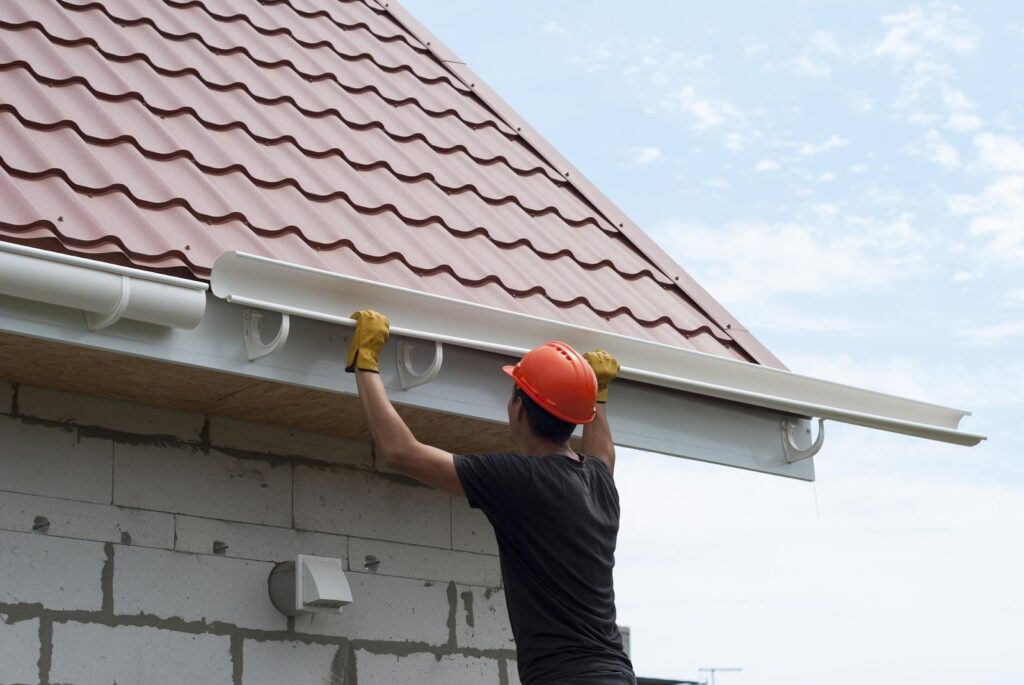
Failing guttering does more than cause visible overflow. Water running down walls can damage cladding, window joinery, and paint finishes. Pooling near foundations increases moisture levels beneath the home.
Guidance from BRANZ consistently identifies roof water management as a critical factor in building durability. Effective guttering helps prevent moisture-related deterioration long before it becomes visible.
Timing plays a role in overall cost
Replacing guttering early, before water damage spreads, is usually far more cost-effective. Once fascia boards, soffits, or cladding are affected, repair costs rise quickly.
Homeowners who act on early warning signs often avoid the need for additional trades and extended repair timelines. Regular checks after heavy rain help identify issues before they escalate.
Practical checks before committing to replacement
Before replacing guttering, it helps to observe how the system behaves during rain. Does water overflow in certain areas? Does it remain in the gutter long after rain stops? Are there visible dips or uneven alignment?
These observations guide better decisions about system design, capacity, and layout, rather than focusing solely on aesthetics.
Final thoughts
Replacing guttering is an opportunity to correct underlying problems rather than repeat them. Christchurch homes face specific weather patterns and structural variations that demand thoughtful design and proper installation.
When guttering is sized correctly, aligned accurately, and matched to the home, it protects far more than the roof edge. It helps preserve cladding, foundations, and long-term structural health, saving homeowners both frustration and future repair costs.