
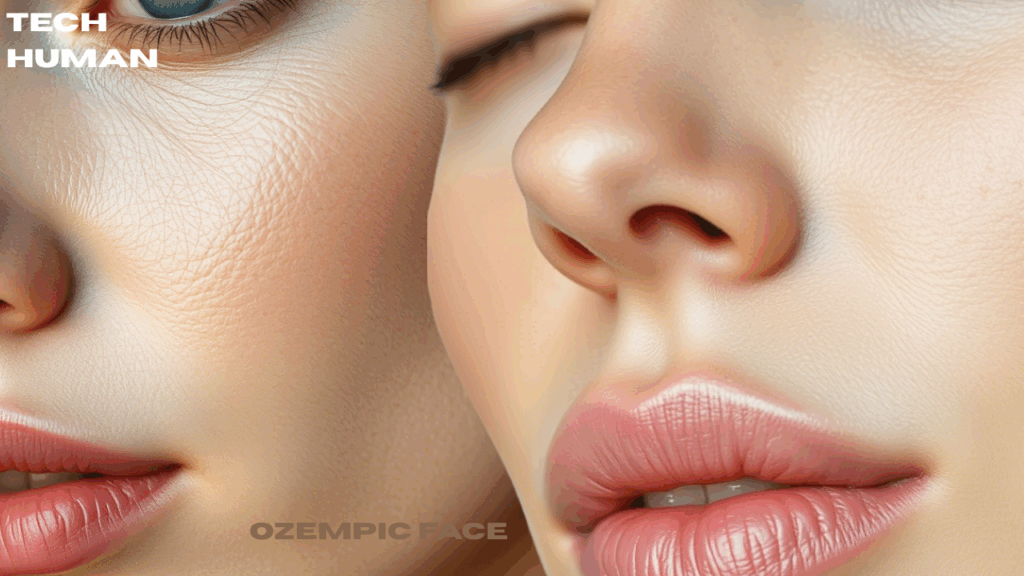
Imagine finally losing the weight you’ve struggled with for years-your clothes fit better, the scale is finally kind, and people are complimenting your transformation. But then, you look in the mirror… and something’s off. Your face looks tired, sunken, maybe even older. If that sounds familiar, you’re not alone. Welcome to the world of Ozempic Face-a side effect that’s raising eyebrows (and cheeks) in dermatology clinics around the world.
But what exactly is Ozempic Face? Is it real, reversible, or just another social media buzzword? Let’s unpack everything-from the science to solutions—so you can navigate your weight loss journey informed and empowered.
What Is Ozempic Face?
Ozempic Face is a term coined by both users and doctors to describe the noticeable facial changes-think hollow cheeks, sagging skin, and exaggerated wrinkles—that can occur after rapid weight loss due to GLP-1 drugs like Ozempic, Wegovy, and Mounjaro.
While it’s not a medically recognized diagnosis, the aesthetic reality is real enough that dermatologists and aesthetic clinics are now offering “Ozempic Face fixes.” The term caught fire online, especially among celebrities and influencers using these medications, and it’s now a trending concern among the general public.
Why Does Ozempic Face Happen?
Here’s the thing-Ozempic doesn’t specifically target your face. What it does is help you lose weight, often rapidly. And when that happens, especially without muscle-building support, you may also lose subcutaneous fat-the soft layer that keeps your face looking youthful and full.
Experts explain it like this: your face is like a cushion. When the stuffing (fat) disappears quickly, the skin can’t always keep up. The result? A gaunt, older appearance-especially in the mid-face, under-eyes, and jawline.
A recent PubMed study (May 2025) even found measurable midfacial volume loss in patients using GLP-1 agonists like semaglutide (the active ingredient in Ozempic), confirming that what people are noticing in the mirror is backed by real, radiographic change.
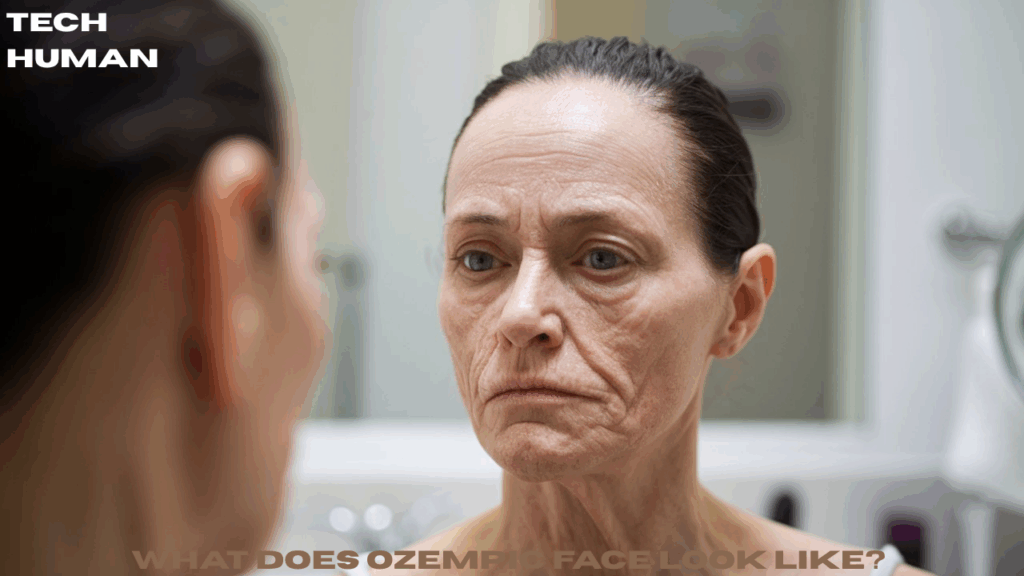
What Does Ozempic Face Look Like?
People commonly report:
- Hollow cheeks
- Loose or sagging skin around the jawline and neck
- Deepened nasolabial folds (the lines from nose to mouth)
- Dark under-eye circles or hollow eyes
- A general look of being “tired” or “aged”
In short, Ozempic Face is less about what’s happening to the skin and more about what’s disappearing underneath it.
Is Ozempic Face Permanent?
Thankfully, no-Ozempic Face isn’t permanent. The volume loss is reversible, but it depends on your approach. Some people see natural improvement once their weight stabilizes or if they regain some facial fat. Others opt for aesthetic treatments (more on those in a minute) to restore what’s been lost.
However, if the fat loss is significant and prolonged, non-surgical or surgical interventions may be necessary to get your youthful look back.
How Long Does It Take to Develop Ozempic Face?
There’s no one-size-fits-all answer, but many users notice changes within the first 3 to 6 months of starting a GLP-1 medication. This timeline often corresponds with the most dramatic period of weight loss.
According to clinical data (Yale University, 2025), average users lose 15–20% of their body weight within a year when combining Ozempic with modest lifestyle changes. That kind of rapid fat loss is what accelerates visible facial changes.
Is This Just “Diet Face” With a New Name?
Great question-and the answer is: kind of.
“Diet Face” is a well-known phenomenon where people lose volume in their face after weight loss. The difference with Ozempic Face is the speed and intensity. Because GLP-1 drugs like Ozempic work fast and effectively, the facial changes appear more suddenly, and sometimes more dramatically, than traditional dieting alone.
Can You Prevent Ozempic Face?
Absolutely-and prevention is key. Here’s how you can keep your glow while shedding the pounds:
Build Muscle While Losing Fat
Strength training not only helps with overall body composition, but it supports facial fullness by keeping total mass stable.
Prioritize Protein
Make sure you’re getting high-quality protein to maintain muscle and collagen production. Think: eggs, chicken, Greek yogurt, tofu, legumes.
Stay Hydrated
Dehydration can make facial volume loss look worse. Water keeps your skin plump and elastic.
Skin Support
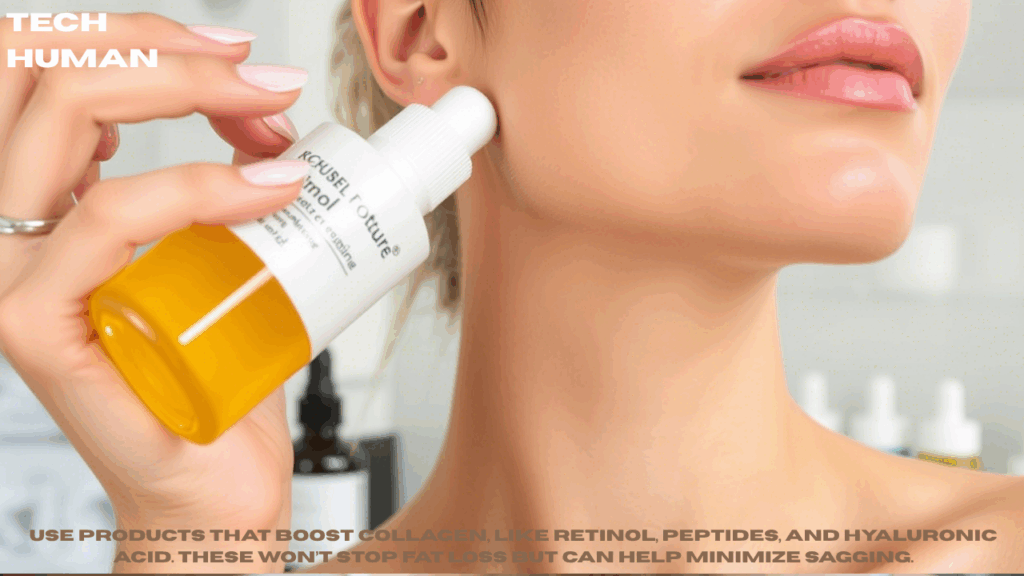
Use products that boost collagen, like retinol, peptides, and hyaluronic acid. These won’t stop fat loss but can help minimize sagging.
Treatment Options: Fixing Ozempic Face
If you’re already seeing signs of Ozempic Face, don’t panic. There are proven treatments available:
Dermal Fillers
Fillers like Juvederm or Sculptra can restore volume to the cheeks, under-eyes, and nasolabial folds.
Fat Grafting
Your own body fat is harvested and re-injected into hollow areas. It’s a longer-lasting option than traditional fillers.
Skin Tightening Procedures
Treatments like radiofrequency (RF), ultrasound (Ultherapy), or microneedling with RF help tighten loose skin without surgery.
Collagen Stimulators
Injectables like Sculptra gradually encourage collagen growth, providing a natural look over time.
Thread Lifts
Polydioxanone (PDO) threads can lift sagging skin for a tighter, more youthful appearance.
Who’s Talking About Ozempic Face?
The aesthetic community is buzzing. Clinics from Dubai to Singapore (like Silkor and Wellaholic) are now offering customized Ozempic Face solutions, combining injectables, skin therapies, and lifestyle coaching.
And media outlets like WebMD and NDTV are helping to educate the public, reminding us that this isn’t about shaming or vanity-it’s about feeling like your best self throughout your health journey.
Real Talk: Is It Worth It?
That’s up to you. Health and confidence should go hand in hand, not compete. If Ozempic is helping you reverse diabetes or obesity-related risks, that’s a huge win. But your appearance matters too—because how we feel in our skin often reflects how we show up in the world.
So yes, Ozempic Face is real. But it’s also manageable, preventable, and in many cases, treatable.
Also Read: Fanatics Fest
Final Thoughts: Face the Facts, Not the Fear
Choosing a GLP-1 medication like Ozempic can be life-changing. But like any journey, it’s not without bumps-or wrinkles-along the way.
If you’re noticing facial changes or are worried about them happening, talk to your doctor. Consider a consultation with a board-certified aesthetic specialist who understands facial aging from weight loss, not just aging alone.
Because at the end of the day, your face tells your story. Let’s make sure it still looks like you.
FAQs on Ozempic Face
Q: Can Ozempic face go away on its own?
Yes, sometimes mild volume loss resolves after weight stabilizes. But deeper changes may require professional treatment.
Q: Are Mounjaro and Wegovy causing the same facial changes?
Yes. All GLP-1 receptor agonists have similar weight-loss mechanisms, so similar risks apply.
Q: What’s the best filler for Ozempic face?
Hyaluronic acid fillers offer immediate results; Sculptra works gradually by stimulating collagen. The best choice depends on your face and goals.