
It’s a headline that stops you in your tracks: “US bombs Iran.” Whether it flashes across your phone screen or crawls beneath a news anchor’s solemn face, those three words hit like a thunderclap. Your first instinct might be fear, confusion, or even a flurry of questions: Is this the start of another war? Why now? What exactly is being bombed?
Let’s break it down together — not with dry jargon, but with clarity and honesty. Because understanding the full weight of these words means looking beyond the headline into the strategy, technology, and human consequences involved.
| Attribute | Details |
|---|
| Event Name | US Bombs Iran |
| Date of Notable Occurrences | Various incidents over the years (notably 2020s escalations) |
| Reason for Bombing | To target underground nuclear sites, missile facilities, or retaliate against aggression |
| Main Weapon Used | GBU-57A/B Massive Ordnance Penetrator (MOP) |
| Weight of Bomb | 30,000 lbs (13,600 kg) |
| Type of Bomb | Non-nuclear, bunker buster bomb |
| Delivery Aircraft | B-2 Spirit Stealth Bomber |
| Target Type | Deeply buried nuclear facilities, hardened underground bunkers |
| Bomb Guidance | Military-grade GPS targeting |
| Blast Purpose | Penetrate reinforced targets underground before detonation |
| Stealth Element | B-2 bomber avoids radar detection, delivers bomb precisely |
| US Military Objective | Deny Iran access to protected nuclear assets and strategic weapons |
| Impact on Iran | Structural damage, psychological deterrence, potential casualties |
| Global Reaction | Mixed: condemnation from some, support from allies, global tension rise |
| Civilian Risk | Low to medium depending on proximity to military targets |
| Historical Context | Part of long-standing US-Iran tensions involving nuclear threats and proxy conflicts |
| Public Sentiment (US) | Divided — support from national security advocates, criticism from anti-war voices |
| Public Sentiment (Iran) | Strong condemnation; seen as an act of aggression |
| Related Military Operations | Operation Martyr Soleimani (Iran’s response), multiple US precision strikes in the region |
| Technological Highlight | Use of stealth aircraft and advanced guided bunker-busting bombs |
| Current Status | No full-scale war, but ongoing strategic tensions and military readiness |
The Target: Not Just Surface-Level
When the United States carries out an airstrike on Iran, it’s rarely about just dropping a bomb for effect. The targets are often deeply strategic — underground facilities, missile silos, or nuclear development sites hidden beneath layers of reinforced concrete and rock.
These aren’t average military installations. They’re designed to survive conventional attacks, hidden away to shield critical operations. So how does the US military reach them?
That’s where the story gets intense — and introduces a bomb you’ve probably never heard of.
Meet the GBU-57: The Bunker-Busting Beast
Imagine a bomb so powerful it can slice through hundreds of feet of solid earth and concrete before unleashing its destruction. That’s the GBU-57 Massive Ordnance Penetrator (MOP) — a 30,000-pound behemoth created specifically to counter deeply buried, high-value targets like Iran’s underground nuclear facilities.
What Makes It So Special?
- Weight: At over 15 tons, the GBU-57 is among the heaviest non-nuclear bombs in the US arsenal.
- Penetration Power: Designed to burrow deep before detonating, it crushes through layers of defense.
- Guidance System: It’s not just raw muscle — it’s smart. The bomb is guided by advanced military GPS, ensuring pinpoint accuracy even from miles above.
The GBU-57 isn’t just a bomb — it’s a message. When this is used, it means the US is not just sending a warning. It’s trying to neutralize what was thought to be untouchable.
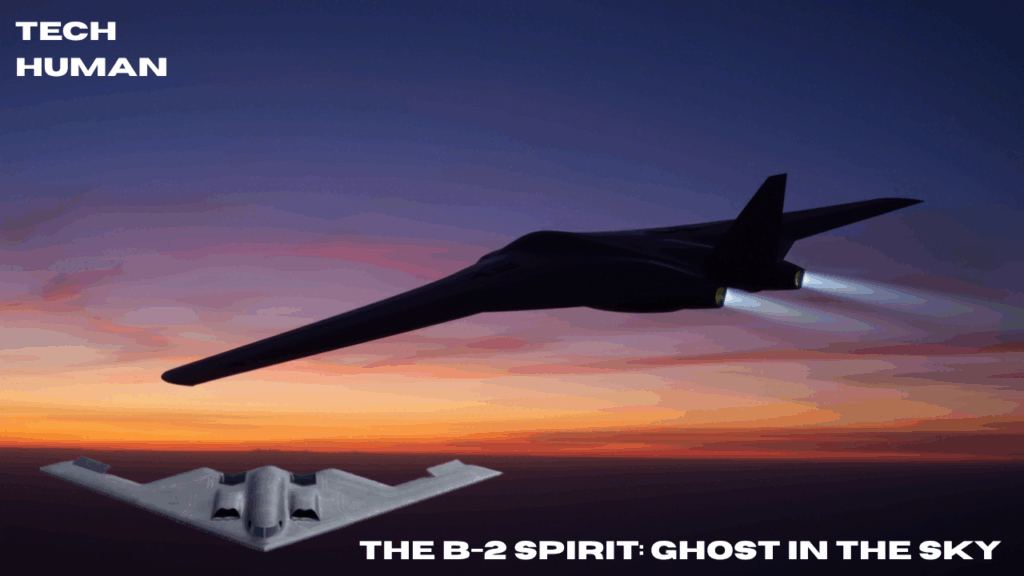
The B-2 Spirit: Ghost in the Sky
Now, imagine how such a weapon gets delivered. Not by a visible, roaring fighter jet, but by a B-2 Spirit stealth bomber — a sleek, almost alien-looking aircraft that slips through enemy radar undetected.
This aircraft is built for precision and surprise. It can carry the GBU-57 deep into hostile territory without being seen until it’s far too late. The B-2’s role is critical when the mission demands not just brute force but surgical precision.
Why Iran? Why Now?
When you hear that the US bombed Iran, it’s not a random act. It usually follows months — if not years — of intelligence gathering, diplomacy, and rising tensions.
Iran’s nuclear program has long been a source of global concern. The possibility of weapons-grade uranium being developed in heavily fortified underground sites creates what military analysts call a “red line.”
And when diplomacy stalls or covert activity ramps up, the US may choose to send a clear, unmistakable message: “We know where it is. And we can reach it.”
What Does This Mean for the Region — and the World?
The emotional ripple of such a bombing is massive. For Iranians, it’s a painful reminder of outside pressure. For Americans, it’s often framed as protecting global security. And for the world, it stirs anxiety about escalating conflict in an already volatile Middle East.
But here’s where we need to pause and reflect — because the destruction is real.
An airstrike with a GBU-57 doesn’t just hit steel and concrete. It shakes the ground, shatters buildings, and sometimes ends lives — including unintended civilian casualties if things go wrong. It’s a blunt but powerful tool with enormous consequences.
Also Read: Nintendo Switch 2: What It Helps With and Why Gamers Are Buzzing About It
History Repeats, but the Tools Evolve
This isn’t the first time tensions between the US and Iran have reached a boiling point. From hostage crises to drone shootdowns, to targeted assassinations, the relationship is rocky — and always under pressure.
But what’s different now is the technology. The bombs are smarter. The delivery systems are stealthier. And the margin for error is much thinner.
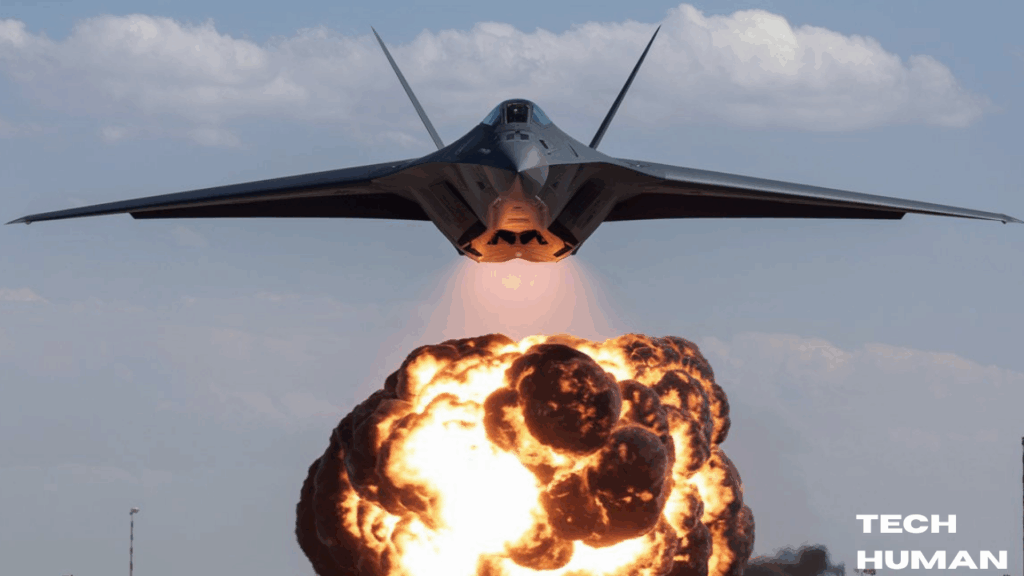
A Quick Look at the Technology Behind the Strike
| Element | Details |
|---|---|
| Bomb Name | GBU-57 Massive Ordnance Penetrator (MOP) |
| Weight | 30,000 lbs (13,600 kg) |
| Purpose | Destroy underground, fortified targets |
| Guidance | Military GPS |
| Delivery Aircraft | B-2 Spirit stealth bomber |
| Nickname | “Bunker Buster” |
| Deployment Strategy | High-altitude, stealth delivery to penetrate deep ground targets |
| Effectiveness | High — capable of neutralizing nuclear facilities or missile bunkers |
| Status | Operational and deployed under highly classified strike missions |
Beyond the Boom: Global Reactions and Fallout
Military action, especially by a superpower like the US, is never just about the bomb itself. It sends waves across global politics.
- Allies may back the move as necessary defense.
- Enemies may retaliate, escalating tension.
- Markets may panic, with oil prices spiking.
- Civilians on both sides may fear what tomorrow brings.
And while we may only see headlines like “US bombs Iran”, the domino effect touches lives far beyond the battlefield.
The Human Side: What We Often Overlook
In military briefings, we talk about payloads, blast radius, and structural impact. But rarely do we hear about the 12-year-old girl who hears the rumble of a stealth bomber overhead, or the soldier loading the MOP with shaking hands, knowing what it’s about to do.
War is rarely clean, and it’s never just about strategy. It’s about people — scared, angry, hopeful people caught in the middle of decisions made far above them.
Is There a Better Way Forward?
That’s the question many ask each time headlines report that US forces launched airstrikes on Iran. While deterrence is a central strategy, some argue it’s time to focus more on diplomacy than domination.
Because the truth is, the GBU-57 may be the most powerful non-nuclear bomb in the world — but no bomb can build peace.
Final Thoughts: Behind Every Blast, a Bigger Story
When the US bombs Iran, it’s not just military might in motion. It’s layers of intelligence, strategy, politics, and emotion. It’s about high-tech stealth planes like the B-2 Spirit, devastating bunker busters like the GBU-57, and decisions that shape the global future.
So the next time you see that headline, don’t just scroll past.
Ask: What are we really aiming at?
Because understanding the tools is just the beginning. Understanding the impact — that’s where real awareness starts.